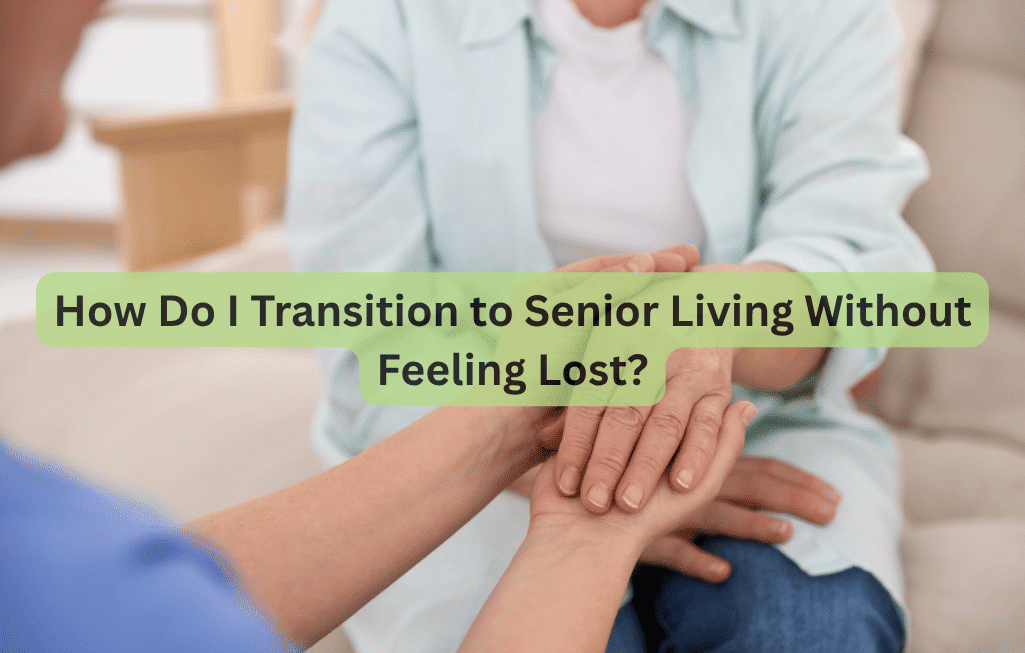
Moving into senior living in Pretoria can feel disorienting, even when you know it is the right decision. You may feel relieved about receiving more support while simultaneously grieving the home, routines, and identity you are leaving behind.
These mixed emotions do not mean you have made a mistake. They mean you are going through a significant life transition.
In my experience, people adjust more successfully when they stop expecting senior living to feel like home immediately. Feeling settled takes time. The goal during your first few months is not to reinvent your entire life. It is to create a few familiar routines, form one or two genuine connections, and gradually make the new space feel like your own. Speak to Brooklyn Care about all your frail care needs
Why Can Moving Into Senior Living Feel So Disorienting?
A move to senior living affects much more than your address. It changes your surroundings, daily routines, social environment, and sense of control at the same time.
You can understand the practical benefits of the move and still feel deeply unsettled by it. Logic and emotion do not always adjust at the same pace.
You Are Leaving Part of Your Identity Behind
A home is more than a physical structure. It becomes an extension of the person who lives there.
The marks on the floor, the arrangement of the kitchen, the familiar sound of the front gate, and the view from a favourite window may hold decades of memories. These details help you understand where you belong.
When you leave that familiar environment, you may initially feel like a guest in someone else’s space. Your new apartment may be comfortable and attractive, but it does not yet contain your routines, memories, or personal history.
This temporary loss of place identity is one reason people say they feel lost after moving.
Read our latest blog post: How Do I Know If a Senior Community Is Reputable?
You Are Grieving the End of a Chapter
Moving into senior living is a visible marker of change. It may represent the end of the house where you raised children, shared a marriage, hosted celebrations, maintained a garden, or built a career.
You might be excited about having fewer household responsibilities and still grieve what the move represents. Relief and sadness can exist together.
Homesickness is not proof that you chose incorrectly. It is often evidence that your former home and way of life mattered deeply to you.
Downsizing Creates Decision Fatigue
Downsizing requires you to make hundreds of decisions in a limited period. You must decide what to keep, sell, donate, give to family, or discard.
These are not always simple decisions about objects. A dining table may represent years of family meals. A set of tools may connect you to work you once loved. Clothing, photographs, books, and ornaments can carry strong emotional meaning.
By moving day, you may already be mentally and emotionally exhausted. This decision fatigue can make normal problems feel much larger and increase your sense of vulnerability.
Your Sense of Control Has Changed
In your own home, you determined the rhythm of your day. You chose when to eat, where to sit, how loudly to play the television, and who entered your space.
A senior living community introduces shared spaces, unfamiliar people, dining schedules, organised activities, and new procedures. Even in an independent living environment, these changes can feel like a loss of privacy or autonomy.
The solution is not to deny this loss. It is to identify the choices you still control and use them deliberately.
How to Prepare Before Moving Day
A calmer transition begins before the moving truck arrives. The most effective strategy prioritises your emotional wellbeing as much as the practical work.
Measure and Map Your New Home
Obtain an accurate floor plan and room measurements before packing. Measure your furniture and plan exactly where the most important pieces will go.
This process answers practical questions early:
- Will your bed fit comfortably?
- Is there enough space around your favourite chair?
- Which dining table can you take?
- Where will family photographs and artwork hang?
- Can you move safely between furniture?
- Which storage options will work in the new apartment?
Knowing where your belongings will go removes uncertainty from moving day. It also gives you an active role in designing your new environment.
Choose Identity Pieces First
Do not begin by asking, “What must I get rid of?” Begin by asking, “Which possessions help this space feel like mine?”
Select a small group of meaningful items first. These might include:
- Your favourite armchair
- Family photographs
- A familiar bedside table
- Meaningful artwork
- A treasured quilt or blanket
- Books you regularly read
- A clock you have heard for years
- Items connected to hobbies or achievements
These belongings become emotional anchors. They help your new apartment feel connected to your previous life instead of looking like a temporary hotel room.
Use Legacy Gifting
Giving away meaningful possessions can feel different from simply getting rid of them. Legacy gifting allows you to choose who receives an item and explain why it matters.
You might give a grandchild a piece of jewellery, pass tools to someone who will use them, or offer a family member the dining set connected to years of shared meals.
If possible, tell the recipient the story behind the object. This changes downsizing from disposal into preservation. The item leaves your home, but its meaning remains in the family.
Work on One Small Area at a Time
Trying to clear an entire house in one weekend creates physical and emotional exhaustion. Work through one drawer, shelf, cupboard, or small section each day.
Use simple categories:
- Take to the new home
- Give to family or friends
- Sell
- Donate
- Discard
- Decide later
Limit the “decide later” category so it does not become a way to postpone every difficult choice.
Give yourself time to look at photographs, tell stories, laugh, or cry. Downsizing is not merely a cleaning exercise. It is a gradual farewell to one part of your life.
What Should You Expect During the First Few Weeks?
The first weeks may feel more difficult than expected. You may be surrounded by people and still feel lonely. You may have access to activities but lack the energy or confidence to attend them.
Established groups in the dining room can make you feel as if everyone already has friends. Corridors may look the same. Community routines may be unfamiliar. You may not know whom to ask for help or where you are expected to sit.
This is sometimes described as the “hotel effect.” Your apartment is comfortable, but it does not feel like home. You feel as though you are temporarily staying in a place that belongs to other people.
This experience is common. Familiarity develops through repetition. The dining room becomes less intimidating after several meals. Staff members become recognisable. Corridors become easier to navigate. A particular chair, walking route, or breakfast table gradually becomes yours.
Margaret’s Story: Finding a Place Through Purpose
Margaret was a 78-year-old retired teacher who moved into an independent senior living community after her husband died and she experienced a minor health scare.
She had chosen the community herself, and the apartment was attractive. Despite this, Margaret spent her first three weeks feeling like an unwelcome hotel guest.
The Dining Room Felt Like a School Cafeteria
Margaret found the communal dining room particularly difficult. She saw established groups laughing and talking together but did not know where to sit.
Walking into the room alone made her feel conspicuous. Instead of risking an uncomfortable interaction, she began skipping dinner and eating crackers and soup in her apartment.
The community offered social opportunities, but Margaret felt lonelier because she could see the connections she did not yet have.
She No Longer Felt Useful
Margaret had spent decades teaching and managing a busy household. After moving, staff cleaned her apartment and prepared her meals. Tasks that had once structured her day disappeared almost overnight.
Although the support made life easier, it also left her feeling unnecessary. She was no longer sure what her role was or how she could contribute.
Knitting Became Her Anchor
One afternoon, Margaret sat in the library working on a complicated knitting pattern. Another resident, Evelyn, noticed the stitch and asked her about it.
For the first time since moving, Margaret was not treated as the new resident who needed guidance. She was the experienced person with something valuable to teach.
Evelyn invited her to a casual knitting group that made blankets for a local children’s hospital. The group provided three things Margaret desperately needed:
- A low-pressure reason to leave her apartment
- A natural way to speak to other people
- A renewed sense of usefulness and purpose
Two members of the knitting group invited Margaret to sit at their table for dinner. The dining room became less intimidating because she knew where to walk and who would be waiting for her.
By the sixth week, Margaret still missed her previous home. However, she no longer felt entirely lost. She had a familiar seat, a weekly routine, and people who recognised her abilities.
Her experience highlights an important lesson: belonging often begins with one person, one activity, and one repeated routine. You do not need to become involved in everything to start feeling at home.



How to Adjust During Your First 30 to 90 Days
Do not pressure yourself to transform your social life immediately. Your first goal is to create a stable and manageable rhythm.
1. Create Two or Three Time Anchors
A time anchor is a familiar activity that happens at approximately the same time each day or week.
Keep part of your old morning routine. If you previously drank coffee and read the newspaper at 7:30 a.m., continue doing that. If you started the day with gentle stretching, music, prayer, or time outside, include that in your new routine.
Add a daily walk at a consistent time. Follow the same route through the building or garden. Repetition will help you learn the environment and encounter the same residents and staff members.
Short greetings may gradually become conversations. Those conversations can eventually develop into friendships.
2. Choose Activities That Give You Something to Do
Forced conversation can be exhausting when you already feel uncertain. Activities based on a shared task make connection easier.
Consider:
- Card games
- Knitting or craft groups
- Gardening
- Book clubs
- Puzzles
- Choirs or music groups
- Exercise classes
- Volunteer projects
- Religious gatherings
When your attention is focused on an activity, conversation can develop naturally. You do not have to sit in a circle and explain your life to strangers.
3. Follow the Two-Visit Rule
Attend an activity at least twice before deciding that it is not for you.
The first visit is often dominated by anxiety. You are learning where to sit, what to do, and how the group operates. The second visit gives you a more accurate impression because the surroundings are already slightly familiar.
You do not have to continue attending an activity you genuinely dislike. The purpose of the second visit is simply to prevent first-day discomfort from making every decision for you.
4. Ask for a Personal Introduction
Community staff know which residents enjoy welcoming new people. Ask an activities coordinator, wellness team member, or dining-room employee for help.
You could say:
“I am still finding my feet here. Is there someone you think I might enjoy sitting with at lunch?”
This is a practical request, not an admission of failure. One thoughtful introduction can remove weeks of unnecessary social anxiety.
5. Keep Family Close Without Using Them as an Escape
Family contact remains important, but it should become a bridge into your new life rather than your only escape from it.
Invite relatives to visit you at the community. Have coffee in your apartment, eat together in the dining room, or walk through the garden. This allows your family to understand your new surroundings and helps the space begin to hold new shared memories.
Schedule regular phone or video calls. For example, you might speak every Sunday morning and Wednesday evening. A predictable schedule prevents you from spending the day waiting for the phone to ring.
Families should remain present without taking over. Visiting constantly or removing the person from the community every day can unintentionally slow the formation of new routines.
How to Make Your Senior Living Apartment Feel Like Home
Do not expect the apartment to feel completely settled during the first week. Let it develop gradually as you discover how you use the space.
Use Familiar Furniture and Objects
Arrange the room around the possessions that matter most. A favourite chair placed near good light may provide more comfort than an entirely new furniture set.
Display photographs at eye level. Put familiar items near the bed and in the main living area. Keep meaningful belongings where you can see and use them instead of packing them into cupboards.
Use Familiar Sounds and Scents
Your sense of home is strongly connected to sensory memory.
Use the same soap, laundry products, hand cream, or subtle room fragrance you used previously. Play your favourite music, radio station, or television programme in the background.
Familiar sounds can soften the unnatural silence of a new apartment. Familiar scents may make the environment feel more recognisable before it has accumulated new memories.
Display Conversation Starters
Choose a few objects that naturally tell people something about you. These might include a travel souvenir, unusual artwork, a sporting photograph, a handmade item, or an award from your career.
When a resident or staff member notices the object, it gives them an easy way to begin a meaningful conversation.
Your apartment should show that you have a history, interests, skills, and stories. You are not simply a new resident. You are bringing an entire life into a new setting.
How to Cope When Homesickness Becomes Stronger
Many people experience an emotional wall around six to eight weeks after moving. The practical work is over, the boxes are unpacked, and the adrenaline has faded. The permanence of the change may suddenly feel more real.
If this happens, do not immediately decide that the move was a mistake.
Acknowledge the Grief
Allow yourself to miss your old home. Speak honestly about what you have lost. Cry if you need to. Look through photographs or talk about meaningful memories.
Trying to appear grateful or cheerful all the time can make the adjustment more difficult. You can appreciate the safety and support of your new community while grieving your previous life.
Reduce Social Pressure Temporarily
If you feel emotionally exhausted, take a few quiet days. Read, watch a favourite film, listen to music, or enjoy coffee in your apartment.
Your apartment should feel like a sanctuary where you can recover, not a cage where you permanently withdraw.
The difference lies in duration and intention. A few quiet days may help you regulate your emotions. Weeks of refusing all contact may signal a deeper problem.
Change One Difficult Part of the Routine
Do not abandon the entire community because one part of the experience feels uncomfortable.
If dinner is overwhelming, try breakfast when the dining room may be quieter. Ask whether you can sit at a smaller table or arrive slightly earlier. Request a meal in your apartment occasionally if you need a break.
If a large activity feels intimidating, try a smaller group. If the main lounge is too busy, visit the library or garden.
Changing one variable can make the situation feel manageable without requiring you to withdraw completely.
How Long Does It Take to Adjust to Senior Living?
A normal adjustment can take three to six months. Progress is rarely linear.
You may have a wonderful day filled with conversation and laughter, followed by a sad day when you desperately miss your old home. This does not erase your progress.
Common experiences during the first 90 days include:
- Frequently saying, “I want to go home”
- Feeling more homesick during evenings or bad weather
- Comparing the community unfavourably with your old home
- Skipping activities for several days
- Eating occasional meals in your apartment
- Feeling irritated by unfamiliar routines
- Having periods of sadness between positive experiences
These feelings may be part of normal adjustment when you are still eating, sleeping reasonably well, maintaining personal hygiene, communicating with others, and experiencing occasional moments of interest or enjoyment.
When Should You Ask for Professional Support?
Normal homesickness and clinical depression can look similar at first. Pay attention to the intensity, duration, and effect of the symptoms.
If distress is becoming more severe or shows little sign of stabilising after eight to twelve weeks, additional support may be necessary.
Warning Signs That Require Attention
Speak to a healthcare professional or the community wellness team if you notice:
- Complete isolation lasting for weeks
- Refusal to see family members or speak to staff
- Neglect of bathing, dressing, or other basic care
- Living among unpacked boxes for an extended period
- Significant weight loss or refusal to eat
- Severe insomnia or sleeping for most of the day
- A complete loss of interest in previously enjoyed activities
- Increasing anxiety, panic, or agitation
- Sudden confusion or disorientation
- New paranoia or accusations against residents and staff
- Statements expressing hopelessness or a loss of purpose
Comments such as “There is nothing left for me” or “I do not want to wake up” must always be taken seriously. Seek urgent professional help if someone expresses thoughts of self-harm or no longer wanting to live.
Sudden Confusion May Have a Medical Cause
Do not automatically assume that confusion, paranoia, or behavioural changes are emotional reactions to the move.
Sudden cognitive changes can be associated with medication side effects, dehydration, infection, pain, poor sleep, or another medical condition. In older adults, a urinary tract infection may sometimes cause a sharp increase in confusion.
A sudden change should be assessed by a medical professional promptly.
Who Can Help?
Start by contacting the community’s wellness director, director of nursing, social worker, or resident support coordinator.
Senior living communities may work with:
- Geriatric doctors
- Psychologists
- Counsellors
- Occupational therapists
- Social workers
- Spiritual care providers
- Support groups
A few conversations with someone who understands relocation stress, grief, and later-life transitions can make an enormous difference.
What Can Family Members Do to Help?
Family members should acknowledge the person’s feelings without immediately trying to correct them.
Avoid saying:
- “You should be grateful to be here.”
- “We have already discussed this.”
- “You will get used to it.”
- “Your old house was no longer suitable.”
- “You are not giving this place a chance.”
Instead, say:
- “I understand why you miss your home.”
- “What part of the day feels most difficult?”
- “Is there one thing we could change this week?”
- “Would you like me to join you for lunch here?”
- “Let us speak to someone who can help us make this easier.”
Listen for the specific problem beneath the general statement, “I hate it here.” The real difficulty may be the dining room, a noisy neighbour, an uncomfortable bed, confusion about the schedule, or embarrassment about asking for help.
Specific problems often have practical solutions.
How Do You Stop Feeling Lost in Senior Living?
You do not have to embrace every activity, make many friends, or feel completely settled within a few weeks.
Start smaller:
- Keep one familiar morning ritual.
- Take the same daily walk.
- Choose one activity connected to an existing interest.
- Attend it at least twice.
- Ask a staff member to introduce you to one resident.
- Create a regular family contact schedule.
- Add familiar sounds, scents, photographs, and belongings to your apartment.
- Identify one way to contribute your knowledge or skills.
- Give yourself permission to grieve.
- Ask for professional help if sadness becomes persistent or severe.
The turning point is often smaller than people expect. It may be learning a staff member’s name, finding a comfortable breakfast table, helping another resident, joining a hobby group, or realising that someone expects to see you on Tuesday afternoon.
You begin to feel at home when the community stops being a building you moved into and starts becoming a place where you are known.
Your New Home Does Not Erase Your Old Life
Moving into senior living does not remove your history, independence, knowledge, or identity. You carry those things with you.
The transition becomes easier when you deliberately bring parts of your former life into the new environment. Preserve meaningful routines. Display objects that tell your story. Continue hobbies that give you purpose. Invite family into the space. Allow relationships to grow slowly.
You may still miss your old home after you begin enjoying your new one. Those feelings can coexist.
You do not need to rush the process or pretend that it is easy. Give yourself time to grieve, adapt, participate, rest, and try again. With familiar anchors, meaningful purpose, and the right support, a strange new environment can gradually become a place where you feel secure, recognised, and at home.