Moving an old age home in Pretoria can make it much easier to meet people and build new friendships, but connection does not happen automatically. The community creates opportunities. Genuine friendship still requires time, personal openness, and the right support.
A well-run assisted living community removes many of the barriers that cause isolation at home. You live near other people, share common spaces, eat meals together, and have access to organised activities. You may see the same residents and staff members every day, which creates the repetition that helps relationships develop naturally.
However, simply placing people in the same building does not guarantee that they will connect. Community culture, established social groups, activity quality, hearing or mobility challenges, grief, and personality all influence the experience.
In my experience, residents adjust more successfully when they stop expecting to find a best friend immediately. The first goal is simply to become familiar: one greeting, one shared meal, one activity, and one friendly face at a time. Looking for a frail care facility for your loved one? Speak to Brooklyn Care today
Does Assisted Living Make It Easier to Meet People?
Yes, assisted living usually makes meeting people easier because social opportunities are built into everyday life.
At home, seeing another person may require arranging transportation, inviting someone over, or waiting for family to visit. In assisted living, connection can happen while collecting mail, walking to breakfast, sitting in the garden, or attending an activity.
These regular, informal encounters matter. A brief conversation in the hallway may not feel important, but seeing the same person repeatedly creates familiarity. Familiarity can gradually lead to trust and friendship.
Assisted living can help by providing:
- Communal dining areas
- Shared lounges and gardens
- Small-group activities
- Exercise and wellness programs
- Resident-led clubs
- Organised outings
- Religious or spiritual gatherings
- Volunteer opportunities
- Resident ambassador programs
The strongest communities do more than publish an activity calendar. They actively learn about each resident and create thoughtful introductions based on interests, personality, background, and preferred social setting.
Read our latest blog: What’s the Difference Between Assisted Living and Nursing Homes?
Why Do Some Residents Make Friends More Easily Than Others?
Every resident arrives with a different history. Some are naturally social and excited about community life. Others are introverted, grieving, anxious, or angry about having to move.
The social environment also differs between communities. A warm, inclusive culture can help a newcomer settle quickly. A community dominated by established cliques can make that same person feel invisible.
An Inclusive Community Culture Helps
Resident ambassador programs can make an enormous difference. An established resident might welcome a newcomer, accompany them to lunch, explain the daily routine, or introduce them to a small group.
This removes one of the most intimidating parts of moving: entering a room without knowing where to sit or whom to approach.
Communities should also train staff to notice residents who are regularly alone. A thoughtful introduction to one compatible person is often more helpful than repeatedly encouraging someone to attend a crowded event.
Shared Interests Create Natural Conversation
Friendship is easier when people have something specific to do or discuss.
A general social hour may feel artificial. A small chess group, woodworking project, book discussion, gardening session, or political conversation gives people an immediate point of connection.
Activities based on genuine resident interests tend to produce more natural relationships than programs created only to fill a calendar.
Small Groups Reduce Social Pressure
Large events can be noisy and overwhelming, especially for someone who is shy, has hearing loss, or is still grieving.
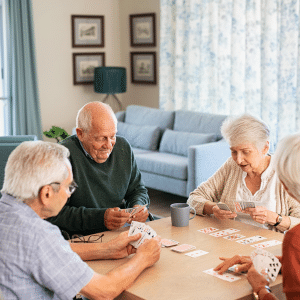
A six-person cooking class or four-person card game creates more opportunity for meaningful conversation than a crowded banquet hall.
If you dislike large gatherings, it does not mean you are antisocial. You may simply need a quieter setting that suits your personality and sensory needs.
What Can Make Friendship More Difficult?
Assisted living removes physical distance, but social barriers can remain.
Established Cliques
Long-term residents may have regular dining tables, card partners, and routines. These groups are not always intentionally unkind, but they may appear closed to newcomers.
Being met with a cold response can feel deeply personal when you are already vulnerable. Try not to measure your worth by one unreceptive group. Move to another table, speak to someone sitting alone, or ask staff to introduce you to a more welcoming resident.
Hearing, Vision, and Mobility Challenges
Hearing loss can turn a lively dining room into an exhausting wall of noise. Vision loss may make it difficult to recognise faces or read visual cues. Mobility challenges can limit access to activities or make arriving on time stressful.
These challenges can look like withdrawal when the real problem is an unsuitable environment.
Staff should help residents choose quieter seating, smaller activities, accessible routes, and spaces with good lighting. Assistive hearing devices, clear signs, transport support, and appropriate seating can remove practical barriers to participation.
Differences in Cognitive Ability
A community may include residents with widely different cognitive abilities. This can make it difficult for someone to find peers who enjoy similar levels of conversation or activity.
Good communities organise smaller groups around both interests and abilities. They should also be honest about whether their resident population is a suitable social and care match for a prospective resident.
Grief and an Unwanted Move
A resident who recently lost a spouse, left a long-term home, or moved under family pressure may not have the emotional energy to form relationships immediately.
Grief can make even a friendly invitation feel demanding. The resident may need time to rest, observe, and become familiar with the environment before participating.
This is not necessarily rejection of the community. It may be a temporary form of emotional self-protection.
How Can I Meet People Without Feeling Overwhelmed?
You do not have to enter a crowded room, introduce yourself to everyone, or attend every activity.
A quieter strategy often works better. Focus on becoming visible in the community while protecting your emotional and physical energy.
Use the Prop-and-Read Strategy
Sit in a high-traffic common area with a book, newspaper, crossword puzzle, or knitting.
This places you near other people without requiring you to begin a conversation. The item you are holding also gives residents and staff an easy opening.
Someone might ask what you are reading, comment on your knitting, or help with a crossword clue. The conversation begins around an object rather than around the pressure of having to introduce yourself.
Follow the 15-Minute Rule
Give yourself permission to attend an activity for only 15 minutes.
You might decide to stay for one cup of tea, one round of cards, or the opening part of a presentation. Knowing that you can leave lowers the emotional barrier to entering the room.
If you enjoy yourself, stay longer. If your social energy is depleted, leave without guilt. A short appearance still helps other residents begin to recognise you.
Ask for One Introduction
You do not need to meet an entire group. Ask an activities director, caregiver, or dining-room employee to introduce you to one person with a similar interest or background.
You could say:
“I prefer smaller groups and quiet conversation. Is there someone here who enjoys books, gardening, chess, or current affairs?”
A specific request helps staff identify a compatible person.
Choose Side-by-Side Activities
Conversation often feels easier when people are doing something together.
Consider activities such as:
- Cards
- Chess
- Gardening
- Knitting
- Woodworking
- Painting
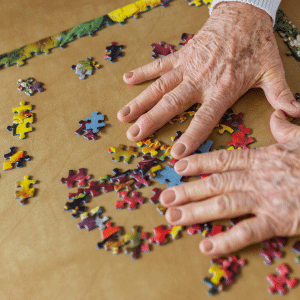
- Puzzles
- Walking
- Cooking
- Volunteer projects
Shared tasks allow conversation to develop naturally. Moments of silence also feel comfortable because your attention can return to the activity.
How Can Residents With Hearing or Vision Loss Make Friends?
The right positioning and group size can significantly improve social experiences.
Arrive Early for Meals
Enter the dining room before the main rush. This allows you to select a seat with good lighting and a clear view of other people’s faces.
If you use hearing aids, sit away from the kitchen, speakers, service stations, and other sources of background noise.
Tell staff what helps. They cannot always recognise that a seating position makes conversation difficult.
Choose Small Activities
Small book groups, card games, art classes, and discussion groups are often easier than large social events.
In a smaller group, fewer voices compete for attention. People can sit closer together, make eye contact, and repeat themselves without embarrassment.
Use a Visible Conversation Starter
A favourite sports cap, distinctive scarf, brooch, or piece of jewellery can make it easier for others to approach you.
An interesting item gives people something specific to mention. This reduces the need for either person to invent an opening question.
How Can Mobility Challenges Affect Social Connection?
A resident with limited mobility may want to participate but find the physical effort overwhelming.
Long corridors, crowded elevators, heavy doors, and poorly placed seating can discourage social activity.
Create a Regular Social Spot
Choose a comfortable location near the front desk, lounge, or courtyard and visit it at approximately the same time each day.
A predictable routine helps other people recognise you. Familiarity turns an occasional greeting into an ongoing conversation.
Join Organised Outings
Community transport can create low-pressure social contact. Sitting beside someone on a bus requires less eye contact than a formal conversation and gives you an immediate shared experience.
You do not need to attend a demanding outing. A short scenic drive, coffee trip, or visit to a local shop may be enough.
Let People Know You Welcome Company
If community policies permit it and you feel safe doing so, an open door while you are sitting near the entrance to your apartment can signal that you are open to a brief conversation.
You can also speak to staff about arranging short visits from a resident ambassador or neighbour. Privacy remains important, so choose the approach that makes you feel comfortable.
Margaret’s Story: From Isolation to Friendship
Margaret was a 79-year-old retired school librarian who moved into assisted living after her husband died and she experienced a minor health scare.
Although she had chosen a comfortable community, the move left her feeling lost. She was naturally introverted and found the dining room especially intimidating.
The First Weeks Were Difficult
Margaret described the dining room as feeling like a high school cafeteria. Established groups sat together, and she did not know where she belonged.
To avoid the discomfort, she began skipping dinner and eating crackers or soup in her apartment.
She had also lost her sense of purpose. As a former teacher who had managed a home for decades, she was accustomed to being useful. Now staff cleaned her apartment and prepared her meals. The support made daily life easier, but she felt as if her role had disappeared.
A Familiar Skill Created the First Connection
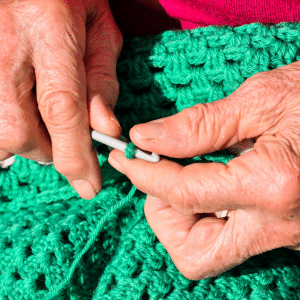
One afternoon, Margaret sat in the library working on a complicated knitting pattern. Another resident, Evelyn, noticed the stitch and asked her about it.
For the first time since moving, Margaret was not treated as the newcomer who needed help. She was the person with expertise.
Evelyn belonged to a small knitting group that made blankets for a local children’s hospital. She invited Margaret to join them the following week.
One Friendship Changed the Dining Room
The knitting group provided a quiet, structured setting. Because everyone’s hands were occupied, conversation developed without pressure.
Two members invited Margaret to sit with them at dinner. The large dining room stopped feeling threatening because she knew where to walk and who would be waiting for her.
By the sixth week, Margaret still missed her former home. However, she had a weekly routine, familiar companions, and a renewed sense of purpose.
Her story shows that friendship does not always begin at a large welcome event. It may start with one question, one shared skill, or one person who makes room at the table.
What Should I Do If I Have Not Made Friends After Several Weeks?
Do not treat several quiet weeks as proof that you will never belong. Genuine friendships often take three to six months to develop.
However, the resident, family, and community staff should all take practical action if isolation continues.
What the Resident Can Do
Focus on small interactions instead of waiting for an immediate best friend.
Try to collect a few positive moments each day:
- Greet a neighbour
- Thank a caregiver by name
- Speak to the receptionist
- Sit beside someone during an activity
- Ask another resident about a photograph or book
- Share a brief comment about the meal
These encounters may feel minor, but they reduce the sense of being invisible and create the foundations of familiarity.
If the available activities do not suit you, tell the activities team what you would prefer. Instead of simply saying that you dislike the calendar, suggest an alternative.
You might say:
“I do not enjoy bingo, but I would be interested in a current affairs discussion, investment group, walking club, opera afternoon, or documentary evening. Could you help me start one?”
Your interests may attract residents who also felt unrepresented by the existing program.
What the Family Can Do
Avoid repeatedly asking, “Have you made friends yet?” That question can create performance anxiety and make the resident feel that they are failing.
Use gentler questions:
- Who did you see at breakfast today?
- Did anyone make you laugh this week?
- Which area of the community feels most comfortable?
- Is there an activity you might try if I attended the first one with you?
- What would make the dining room easier?
During visits, spend some time in shared spaces. Have coffee in the lounge, walk through the garden, or join your family member for lunch.
You can act as a social bridge by greeting residents and introducing yourself. This makes it easier for a shy person to enter a conversation.
If your family member is deeply lonely but unwilling to tell staff, speak privately with the activities or wellness director. Share details about their career, interests, personality, and preferred social environment.
What Community Staff Should Do
Staff should not interpret repeated withdrawal as a simple refusal to participate.
They should try to understand the reason. The resident may be grieving, unable to hear, physically uncomfortable, cognitively mismatched, embarrassed, or uninterested in the available activities.
Practical interventions can include:
- Introducing the resident to a trained ambassador
- Creating newcomer dining tables
- Rotating seating occasionally
- Arranging a meal with a compatible resident
- Offering smaller activities
- Adapting programs for hearing, vision, or mobility needs
- Interviewing the resident about previous interests
- Helping the resident start a new group
- Checking for depression, pain, or health changes
Staff should never force participation, but they should continue offering thoughtful and personalised opportunities.
How Should I Handle Cliques or Social Rejection?
Cliques can form in any community. Established residents may occupy the same dining table or card group for years without recognising how unwelcoming this appears to a newcomer.
If one group responds coldly, do not repeatedly force your way into it. Their behaviour may reflect habit, anxiety, personality, or cognitive change. It is not a fair measure of your worth.
Ask staff to help you find a more inclusive group. Look for residents sitting alone or pairs who appear open to conversation.
Community staff also have a responsibility to address persistent exclusion. A resident who has been rejected should be supported and redirected quickly, not left to return to an apartment feeling humiliated.
What Does Friendship in Assisted Living Look Like?
Friendship in later life does not always resemble the intense relationships of school, early adulthood, or a long career.
Different connections can meet different needs.
The Activity Partner
An activity partner is someone you enjoy seeing at cards, exercise, art, or trivia. You may not discuss private matters, but the relationship motivates you to participate and gives you something to anticipate.
The Dining Companion
A dining companion provides structure and regular contact. You may discuss family news, community events, food, or everyday experiences over one or two meals each day.
Knowing that someone expects to see you can make the dining room feel familiar and reduce the temptation to eat alone.
The Confidant
A confidant is someone you trust with personal memories, fears, grief, and uncertainty.
You do not need a large group of close friends. One or two trusted people may provide all the emotional depth you need.
Activity partners and dining companions still have real value. Do not dismiss a relationship because it has not become deeply personal.
How Long Does It Take to Make Friends?
A realistic adjustment and friendship-building period is approximately three to six months. Some people connect sooner, while others need longer.
Expecting an immediate bond can create disappointment. Relationships usually grow through repeated encounters:
- You recognise someone.
- You exchange greetings.
- You sit near each other regularly.
- You discover a shared interest.
- You begin choosing each other’s company.
- Trust develops through consistency.
Progress may be uneven. You may have a sociable week followed by several quiet days. That does not mean you are moving backwards.
Should I Keep My Existing Friendships?
Moving to assisted living should expand your world, not erase your previous one.
Relationships with long-term friends and family provide stability during the transition. They remind you that your identity and history continue beyond the move.
Create a Communication Routine
Schedule regular calls or video conversations. Knowing that you speak to a lifelong friend every Tuesday evening or a family member every Sunday morning gives your week emotional continuity.
Invite People Into Your New Life
Ask friends and relatives to visit your apartment, join you for lunch, attend an event, or walk through the garden.
This allows your existing relationships to become part of your new environment. It also helps friends understand that they are still welcome in your life.
Continue Meaningful Outside Activities
If your health and mobility allow, continue visiting your place of worship, barber, beauty salon, club, favourite restaurant, or community group.
The goal is not to choose between your old and new worlds. It is to create a life that includes both.
When Does Loneliness Require Professional Support?
Feeling lonely or homesick during the first weeks is common. Persistent or worsening loneliness can sometimes develop into depression or exist alongside a medical problem.
Pay attention when isolation continues beyond two to three months or begins affecting basic daily functioning.
Warning Signs to Take Seriously
Speak to the community wellness team or a healthcare professional if you notice:
- Refusing to leave the apartment for every meal
- Rejecting all visits and telephone calls
- Significant weight loss or gain
- Loss of appetite
- Insomnia or sleeping throughout the day
- Declining personal hygiene
- Sudden confusion or worsening forgetfulness
- Difficulty making simple decisions
- Loss of interest in all previous hobbies
- Statements about being worthless or burdensome
- A complete loss of purpose
Statements such as “Nobody cares about me,” “I am only a burden,” or “There is nothing left for me” should not be dismissed as normal adjustment.
If someone expresses thoughts of self-harm or says they do not want to live, seek urgent professional help immediately.
Ask for a Complete Assessment
Depression is not the only possible cause of withdrawal. Pain, infection, dehydration, medication side effects, poor sleep, hearing loss, and cognitive changes can all affect social behaviour.
A doctor or qualified healthcare professional can assess possible medical causes. A psychologist, counsellor, social worker, or geriatric mental health professional may help the resident process grief, relocation stress, anxiety, or depression.
Community staff should be included in the plan because they can observe eating, sleeping, participation, and behaviour throughout the day.
Will Assisted Living Help You Make New Friends?
Assisted living can give you far more opportunities to meet people than living alone, but friendship still develops through time, repetition, shared interests, and mutual trust.
You do not need to become the most social person in the community. You do not need to attend every event or find a large circle of friends.
Start with one regular seat, one small activity, one familiar face, and one conversation. Ask staff for introductions. Choose quieter environments if crowds overwhelm you. Maintain the relationships that already matter while allowing new connections to develop at their own pace.
A meaningful social life may include an exercise partner, a reliable dining companion, several friendly staff members, and one trusted confidant. Each relationship serves a different purpose.
The aim is not popularity. It is belonging.
When you begin recognising people, sharing routines, contributing your skills, and knowing that someone expects to see you, assisted living can become more than a place where you receive support. It can become a genuine community where new friendships grow.