Looking back over the years I’ve spent helping people transition into assisted living, one fear stands above almost every other.
“Will I lose my independence?”
It’s a completely understandable concern.
Many people imagine assisted living as a place where someone else suddenly decides when they wake up, what they eat, where they go and how they spend every hour of their day.
Fortunately, that isn’t what a good assisted living community looks like. For all your assisted living needs come chat to Frail Care Pretoria – Brooklyn Care
If there is one lesson I’ve learned, it’s this:
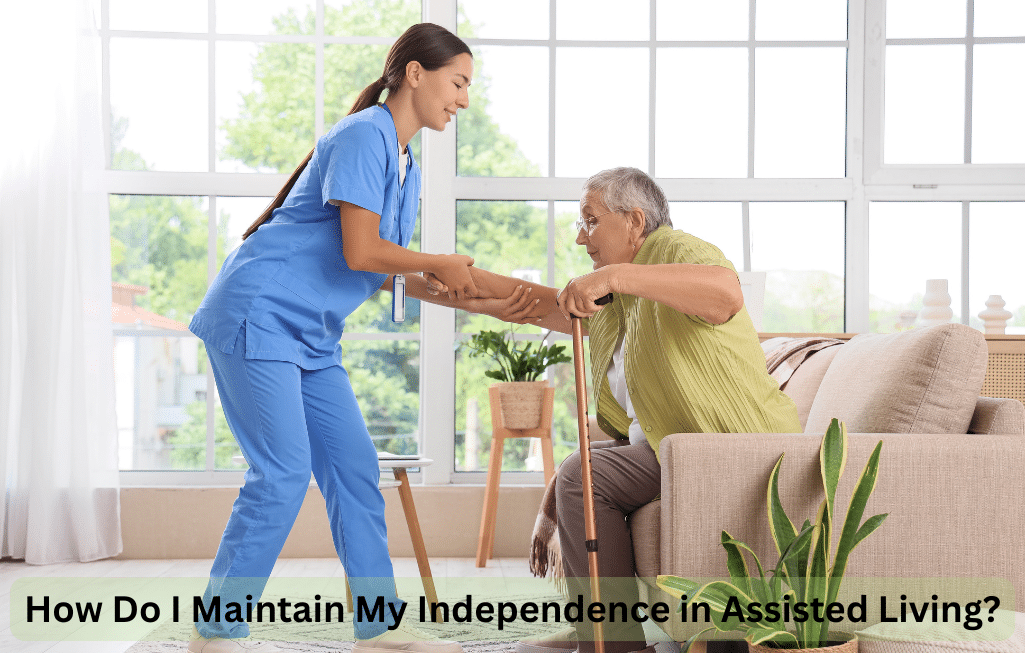
Independence is not about doing everything yourself. It’s about maintaining control over how you choose to live your life.
Those are two very different things.
The Biggest Misconception About Independence
Most people think moving into assisted living means giving things up.
They worry they’ll lose:
- The freedom to choose their own routine.
- The privacy of their own home.
- Their hobbies and interests.
- The ability to make their own decisions.
- Their identity.
In reality, the right assisted living community doesn’t take away your independence.
It protects it.
It removes the exhausting daily tasks that quietly consume your energy so you can focus on the things that actually make life enjoyable.
What Independence Really Means
One of the biggest shifts I encourage people to make is changing how they define independence.
Many people confuse independence with self-sufficiency.
They are not the same thing.
Self-sufficiency means doing everything yourself.
- Cooking.
- Cleaning.
- Laundry.
- Shopping.
- Medication management.
- Property maintenance.
True independence is something much deeper.
It’s having control over:
- How you spend your day.
- When you wake up.
- What hobbies you pursue.
- Who you spend time with.
- How you continue living your life.
Those choices matter far more than whether you vacuum your own lounge.
Read our latest blog post: Can My Family Visit Me Anytime at an Assisted Living Home
The Story of Arthur
Arthur was a retired architect who moved into assisted living after suffering a stroke.
Before the move, he insisted on managing everything himself.
He struggled every day.
Simple tasks like heating meals, organising medication and keeping up with household responsibilities drained nearly all of his physical and mental energy.
By lunchtime, he was exhausted.
His world had become incredibly small.
When Arthur first arrived at the community, he resisted every offer of assistance.
He believed accepting help meant giving up.
Eventually he agreed to let staff handle:
- Medication management.
- Meal preparation.
- Housekeeping.
Something remarkable happened.
His energy returned.
Instead of spending every day simply surviving, Arthur began living again.
He started a weekly sketching club.
He used the community transport to visit museums.
He rediscovered parts of his life that had disappeared years earlier.
Assisted living hadn’t made him dependent.
It had given him back the freedom to choose how he spent his time.
What Real Independence Looks Like
When I tour an assisted living community, I rarely judge it by the brochures.
I look for small moments.
Those tell the real story.
Residents Making Everyday Choices
Do residents look like individuals?
I notice things like:
- Different styles of clothing.
- Favourite hats.
- Jewellery.
- Personal handbags.
- Books tucked under their arms.
- Residents making themselves coffee.
Small choices reveal big freedoms.
Personalised Living Spaces
Walk down the hallways.
Do apartment doors display:
- Family photographs?
- Personal decorations?
- Favourite artwork?
- Unique doormats?
Communities that celebrate individuality usually encourage residents to make the space feel like home.
Staff Ask Instead of Tell
One of the quickest ways to understand a community’s culture is simply listening.
Great caregivers ask questions.
They say:
- “Would you like to have breakfast now?”
- “Are you ready for your walk?”
- “How would you like us to help today?”
Institutional cultures tend to give instructions.
The language alone tells you who holds the control.
Respect for Privacy
I also pay attention to whether staff:
- Knock before entering.
- Wait for permission.
- Treat each apartment as someone’s private home.
Respecting personal space is one of the strongest signs of a resident-first culture.
Flexible Daily Routines
Independent communities recognise that not everyone enjoys the same routine.
You’ll often notice:
- Residents eating meals at different times.
- People sleeping in.
- Residents reading quietly while others attend activities.
- Different lifestyles being accommodated.
Healthy communities adapt to residents.
Residents shouldn’t have to adapt to rigid institutional routines.
The Story of Margaret
Margaret spent her career as a respected school principal.
She was fiercely independent.
Before moving into assisted living, she feared losing everything that made her who she was.
She worried about:
- Giving up her kitchen.
- Losing the ability to drive.
- Becoming just another resident.
For the first few weeks, she resisted everything.
She insisted on doing her own laundry.
She avoided the dining room.
She kept her apartment door locked.
She viewed every offer of help as a threat to her independence.
Then something changed.
The community discovered Margaret loved education and baking.
Instead of encouraging her to attend existing activities, they asked her to lead.
She helped establish an intergenerational reading programme with a local primary school.
She began running baking classes in the community kitchen.
She agreed to let housekeeping handle her cleaning and laundry.
Not because she couldn’t do those jobs.
Because she realised she wanted to spend her energy somewhere far more meaningful.
Six months later, she laughed about how stubborn she had been.
She wasn’t less independent.
She was living a fuller life than she had while struggling alone in a large house.
Questions I Would Ask Before Choosing a Community
If you’re touring assisted living communities, don’t just ask about facilities.
Ask questions that reveal how much independence residents actually have.
Can Residents Control Their Routine?
Ask:
- What happens if someone wants to sleep until 11:00 AM?
- Can care routines be adjusted around personal preferences?
- Are meal times flexible?
Are Care Plans Personalised?
Ask to see a blank care plan.
Does it include:
- Personal preferences?
- Favourite routines?
- Life history?
- Personal goals?
Or is it simply a checklist of medical tasks?
Can Residents Continue Their Hobbies?
If someone enjoys:
- Gardening.
- Painting.
- Woodworking.
- Sewing.
- Computers.
- Cooking.
Ask exactly where they would continue doing those activities.
The answer often tells you everything you need to know.
Can Residents Come and Go Freely?
For assisted living residents who are cognitively able, ask:
- Can they continue driving?
- Can they use taxis or ride-sharing services?
- Can family take them out whenever they choose?
- Can they go for a walk independently?
Freedom of movement is an important part of maintaining independence.
What Happens If Someone Refuses Care?
This is one of my favourite questions.
Do staff simply record the refusal?
Or do they take time to understand why the resident doesn’t want assistance at that moment?
Communities that value autonomy usually look for solutions rather than enforcing routines.
The Difference Between Surviving and Living
One of the saddest things I see is people spending almost all of their remaining energy simply maintaining a house.
They clean.
They cook.
They worry.
They manage medication.
They battle loneliness.
By the end of the day, there’s no energy left for anything enjoyable.
That’s not independence.
That’s survival.
The right assisted living community changes that equation.
It allows someone to invest their energy in relationships, hobbies, family and purpose instead of daily maintenance.
The CEO Analogy
When people tell me they’re afraid of accepting help, I often ask them to think about a successful CEO.
A CEO doesn’t personally clean the office.
They don’t mow the lawns.
They don’t empty every rubbish bin.
They delegate.
Not because they’re incapable.
Because delegation allows them to focus on the decisions that matter most.
Life works the same way.
Assisted living allows you to delegate the exhausting tasks of daily survival so you can become the CEO of your own life again.
The Scaffolding Analogy
I also like to think about historic buildings.
When engineers restore an important building, they erect scaffolding around it.
The scaffolding isn’t there because the building has lost its value.
It’s there to protect it.
It provides support while preserving something precious.
Accepting help with laundry, meals or medication works exactly the same way.
The support exists to protect your independence, not replace it.
The Travel Agent Analogy
Imagine planning the holiday of a lifetime.
You hire a travel agent.
They organise:
- The flights.
- The hotels.
- The transfers.
- The bookings.
Have you lost control of your holiday?
Of course not.
You still choose:
- Where you go.
- What you eat.
- What you experience.
- How you spend each day.
The travel agent simply removes the stress of planning.
Assisted living works much the same way.
The community handles the logistics so you can enjoy the journey.
My Final Advice
If this were my own parent sitting across from me, I would tell them this.
I don’t want you to move because I want to take your life away.
I want you to move because I want your world to become bigger again.
Right now, so much of your energy goes into surviving.
Shopping.
Cleaning.
Cooking.
Maintaining a home.
Worrying about falling.
That isn’t freedom.
Freedom is waking up with enough energy to enjoy your grandchildren.
Freedom is joining a hobby you’ve always loved.
Freedom is choosing how you spend your time instead of letting daily chores make that decision for you.
The greatest lesson I’ve learned is this.
Independence isn’t measured by how many chores you can still do.
It’s measured by how much control you still have over your own life.
When the right assisted living community removes the burdens that have been quietly shrinking your world, it doesn’t take away your independence.
It gives you the opportunity to live it more fully than you have in years.