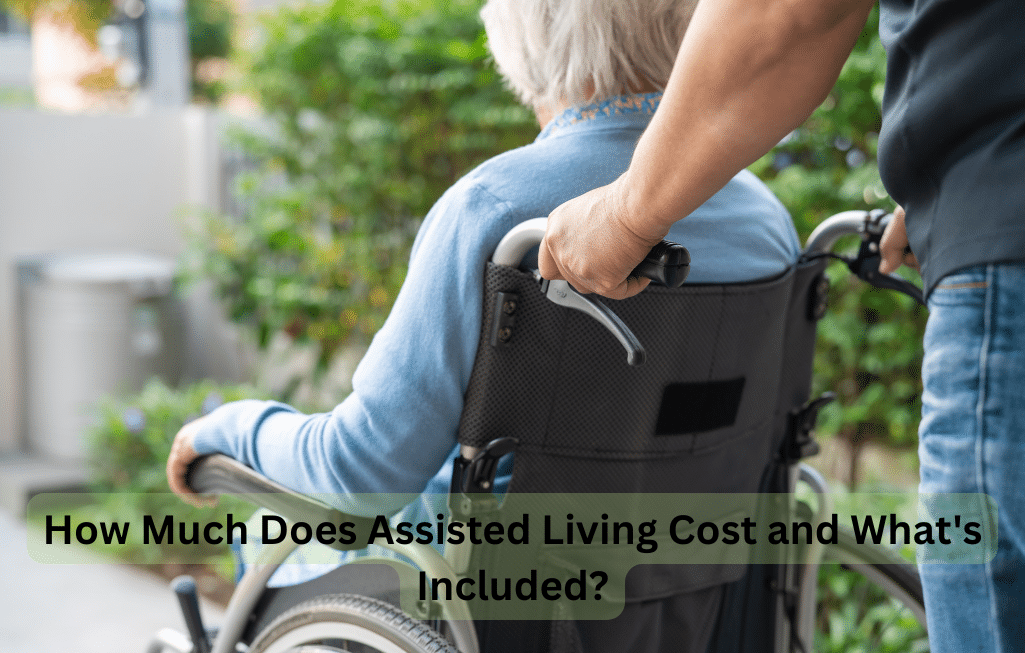
Looking back over the years I’ve spent helping South African families navigate senior living decisions, I’ve learned that the biggest financial shock isn’t how much assisted living costs.
It’s discovering that what families thought they were paying for and what they actually receive are often two very different things.
The single biggest misconception I encounter is that medical aid will cover assisted living because it involves nurses, caregivers, and healthcare.
Unfortunately, that’s not how it works. For all your assistance in frail care contact Brooklyn Care in Pretoria
Most South African medical schemes cover acute medical treatment, hospitalisation, rehabilitation, specialist consultations, and certain chronic medication benefits. They generally do not pay for the monthly accommodation and day-to-day care provided in an assisted living community.
That misunderstanding alone has caused countless families to experience unnecessary financial stress.
If there is one thing I hope you take away from this article, it is this:
Never compare assisted living communities by their advertised monthly price alone. Compare their care model.
What Does Assisted Living Cost in South Africa?
The cost of assisted living varies depending on:
- Your location.
- The size of the apartment or suite.
- The level of assistance required.
- The pricing structure used by the facility.
- Whether the community operates on a rental or Life Rights model.
As a general guide, South African families can expect to pay approximately:
- Independent Living: R2,500 to R7,000+ per month in levies.
- Assisted Living: R8,000 to R18,000+ per month.
- Premium Assisted Living: R18,000 to R30,000+ per month.
- Frail Care: R15,000 to R35,000+ per month.
- Memory Care: R12,000 to R40,000+ per month depending on specialised dementia support.
These figures are only starting points.
The real monthly cost depends on how much physical assistance your loved one requires. Are you looking for an old age home in Pretoria?
What’s Usually Included in the Monthly Fee?
Most assisted living communities include a hospitality package rather than an unlimited healthcare package.
That distinction is incredibly important.
The monthly fee generally includes:
- Private or semi-private accommodation.
- Three meals per day.
- Weekly housekeeping.
- Laundry services.
- Basic utilities.
- Emergency response systems.
- Access to communal lounges and gardens.
- Social activities and wellness programmes.
- Scheduled transport for shopping or appointments.
Many families read this list and assume everything else is covered.
It usually isn’t.
Read our latest blog post: How Do I Maintain My Independence in Assisted Living?
The Biggest Financial Surprise Families Face
The biggest lesson I’ve learned is that the advertised monthly fee generally covers hospitality.
Individual healthcare is often billed separately.
That difference catches families completely off guard.
I regularly see families budget perfectly for the advertised monthly fee, only to discover that additional care services dramatically increase the monthly invoice as their loved one’s health changes.
Hidden Costs Families Rarely Budget For
Admission Fees
Many facilities charge a once-off, non-refundable administration or admission fee.
This commonly ranges between R6,000 and R10,000 or more.
Medication Management
Simply having a registered nurse organise and administer daily medication is often billed separately.
This service usually includes:
- Medication administration.
- Prescription monitoring.
- Pharmacy coordination.
- Blister pack management.
Medical Consumables
Families often forget to budget for:
- Adult incontinence products.
- Protective bedding.
- Wound dressings.
- Barrier creams.
- Medical disposal products.
These costs can add up surprisingly quickly.
Mobility Assistance
If a resident requires assistance walking to meals or activities, some communities charge additional mobility or escort fees.
Those costs often increase as physical mobility declines.
Generator and Utility Surcharges
South African families also need to consider Eskom.
Many retirement estates rely on industrial diesel generators during power interruptions.
Some communities pass those operating costs directly on to residents through variable utility levies.
The Naidoo Family’s Financial Wake-Up Call
One family taught me why understanding these extra costs matters so much.
The Naidoo family moved their father into an assisted living community after his Parkinson’s disease began affecting his mobility.
The advertised monthly fee was R16,000.
It included accommodation, meals and laundry.
The family carefully worked through their finances and concluded the monthly cost was affordable.
Three months later everything changed.
As Parkinson’s progressed, their father needed:
- Medication management.
- Mobility assistance.
- Daily caregiver support.
- Incontinence products.
The following month’s invoice arrived.
Instead of R16,000, the bill totalled almost R24,000.
The difference came from:
- Medication administration fees.
- Escort services.
- Care tier upgrades.
- Medical consumables.
The family hadn’t budgeted for healthcare.
They had only budgeted for accommodation.
Eventually they stabilised costs by purchasing medical consumables independently and negotiating a predictable care package.

Why the Cheapest Community Can Become the Most Expensive
This is probably the biggest financial mistake I see families make.
They compare brochures instead of care models.
One Johannesburg family compared two assisted living communities.
The first charged R14,500 per month.
The second charged R24,000.
The cheaper option seemed like an obvious winner.
The Cheaper Facility
The lower monthly price included:
- Accommodation.
- Meals.
- Housekeeping.
- Basic utilities.
Everything else was charged separately.
The Premium Facility
The higher monthly fee included:
- Accommodation.
- Meals.
- Laundry.
- Medication management.
- Daily assistance.
- Mobility support.
- Several hours of personal care each day.
Initially, the family chose the cheaper option.
Six months later their mother’s dementia progressed.
Additional charges quickly appeared for:
- Medication administration.
- Daily bathing assistance.
- Meal escorts.
- Cognitive monitoring.
- Blister packing.
Her monthly bill climbed to more than R26,000.
The “cheap” facility had become more expensive than the premium community they originally rejected.
Eventually the family moved her.
The higher monthly fee gave them something priceless.
Financial predictability.
Questions Every Family Should Ask Before Signing
Most families ask about meals, activities and room sizes.
Those questions matter.
These matter even more.
Questions About Annual Increases
- What have your levy increases been for the past three years?
- How are care fees increased each year?
- How are generator and Eskom costs recovered?
Questions About Care Tiers
- Can I see your complete Care Tier Matrix?
- What triggers a reassessment?
- What happens if my parent’s care needs increase?
- What will that cost?
Questions About Medical Aid
- Do you have a BHF practice number?
- Can any nursing services be claimed from medical aid?
- Which medical schemes work with your facility?
Questions About Life Rights
- What percentage is retained when the Life Right ends?
- Do levies continue while waiting for the unit to sell?
- Who benefits from any capital appreciation?
The One Question Almost Nobody Asks
Ask this before signing anything.
What happens if my parent eventually runs out of money?
Do they have:
- A benevolent fund?
- A hardship policy?
- Financial assistance?
- Or will they be required to leave?
Knowing the answer today may prevent an enormous crisis years from now.
Should You Choose Home Care Instead?
Many families assume staying at home is automatically cheaper.
Sometimes it is.
Often it isn’t.
To safely care for a frail senior at home around the clock usually requires several caregivers working shifts.
Then you still need to pay for:
- Food.
- Electricity.
- Security.
- Domestic assistance.
- Home maintenance.
- Medical equipment.
- Transport.
When everything is added together, 24-hour home care frequently costs significantly more than assisted living.
It also doesn’t solve one of the biggest challenges facing older adults.
Loneliness.
Assisted living offers something home care often cannot.
Daily social interaction.
Purpose.
Routine.
Friendship.
Those benefits are difficult to put a price on.
My Advice to Every South African Family
If we were sitting across the table together looking at brochures and bank statements, I’d tell you to take a deep breath.
The anxiety you’re feeling is completely normal.
Then I’d encourage you to change how you think about assisted living.
Don’t treat it as another monthly expense.
Treat it as a carefully planned deployment of capital.
Your parents spent decades building assets for a reason.
This is one of those reasons.
Whether that’s a paid-off home, investments or retirement savings, those assets exist to provide dignity, safety and quality of life when they’re needed most.
Don’t focus only on what the monthly fee costs today.
Look at the bigger financial picture.
Calculate what your available capital can realistically fund over five to ten years.
Most importantly, never tie up every cent in a Life Rights purchase.
Always maintain a liquid emergency fund capable of covering at least two years of high-level care should your loved one’s health suddenly change.
The Final Lesson
If there is one lesson I wish every South African family understood, it is this:
Never buy the property.
Always buy the care model.
Beautiful buildings don’t provide compassionate care.
Experienced caregivers do.
A low monthly price doesn’t guarantee affordability.
Predictable care costs do.
The goal isn’t to find the cheapest assisted living community.
The goal is to find the community that can continue providing excellent care, financial stability and peace of mind as your loved one’s needs inevitably change over time.